
Building FreeBC, a digital contraceptive care product.
- Built
- Telehealth platform with an AI care assistant
- Shipped
- 5 months, team of 3
- Reached
- 11,400 users and 336 care pathways entered in the first 3 months
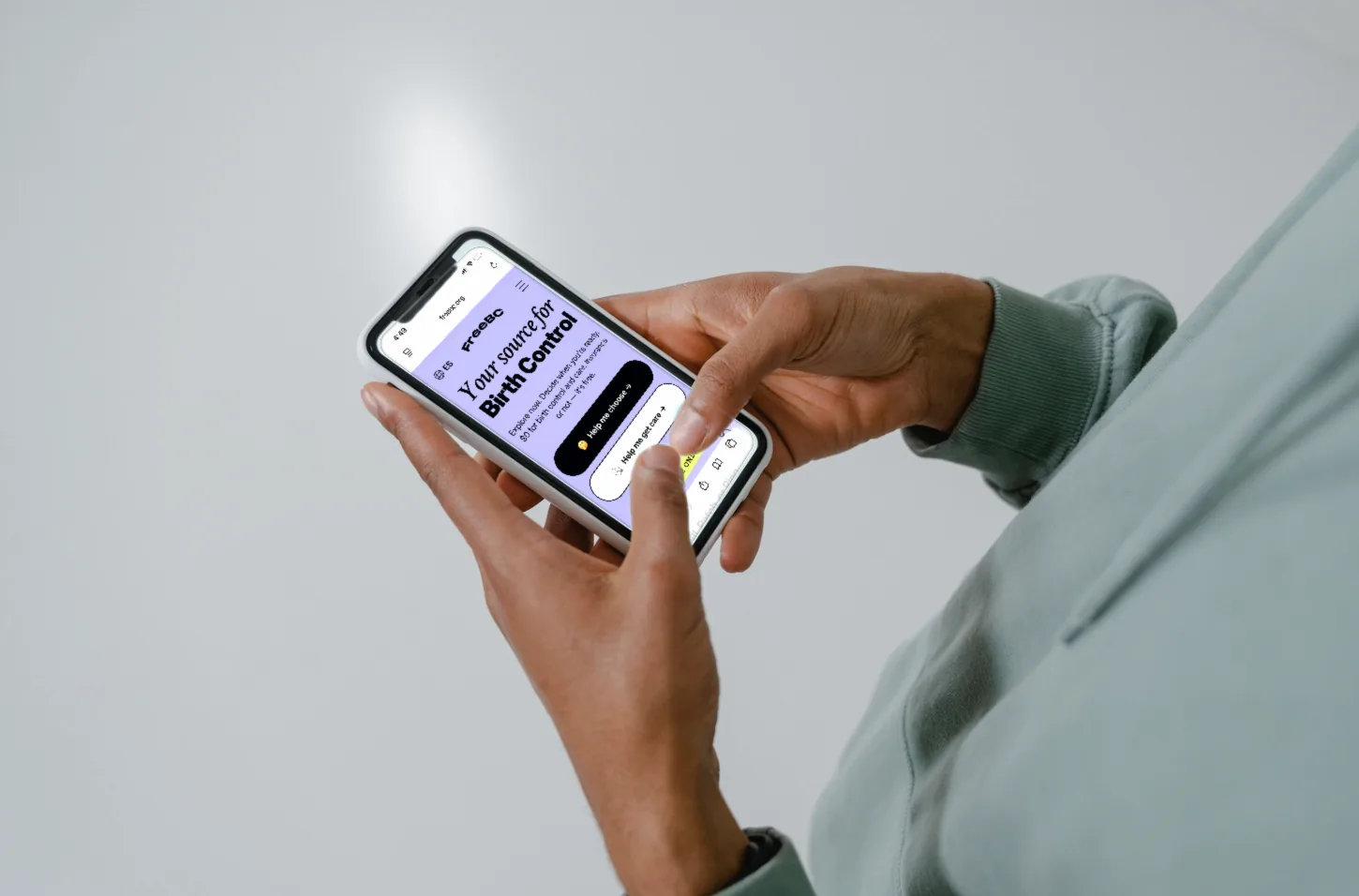
Upstream is a nonprofit dedicated to providing affordable patient-centered contraceptive care. Upstream works with healthcare providers across the country to provide education materials and standardize models surrounding care.
In 2025, they recognized the need for a digital application to directly serve consumers, specifically aiming to provide equitable access to contraceptive care. With a clear vision and designs ready, they turned to Echobind for end-to-end app development.
The Challenge
For many people, especially those in rural communities, receiving birth control care requires overcoming significant barriers. Lack of transportation or insurance might mean a long drive or an unpaid day off work, which many cannot afford.
Even for those who do not face such barriers, the resources for learning about birth control are not centralized. Systemic stigma around contraceptive care often means people forego it entirely to avoid a sensitive conversation they would rather not have face to face.
FreeBC aims to remove many of those barriers. It offers free online resources about birth control, lets users compare methods, ask private questions, and move directly into care through telehealth or a nearby clinic, all in a single session.

The Echobind Solution
Upstream conceived FreeBC and invested deeply in the concept with a design partner before engaging Echobind. Echobind's job was to turn that vision into a shipped product: engineering the platform end to end, and going beyond code to help define key flows, design the AI chatbot, and build out site analytics.
That meant building the method comparison library, personalized quiz, testimonial video, and telehealth routing straight from the designs Upstream brought, and getting it into users' hands fast.
5 Months to Production
From Echobind kickoff in December, 2025 to product launch in May, 2026.
Team of 3
Two software engineers and one product manager.
Analytics From Day One
Capturing real user data from day one helped us recommend targeted improvements to the site.
"I love that Echobind is a proactive partner. They always show up with recommendations on better ways of doing things."
Product Capabilities
FreeBC's features that take a user from first question to completed care.
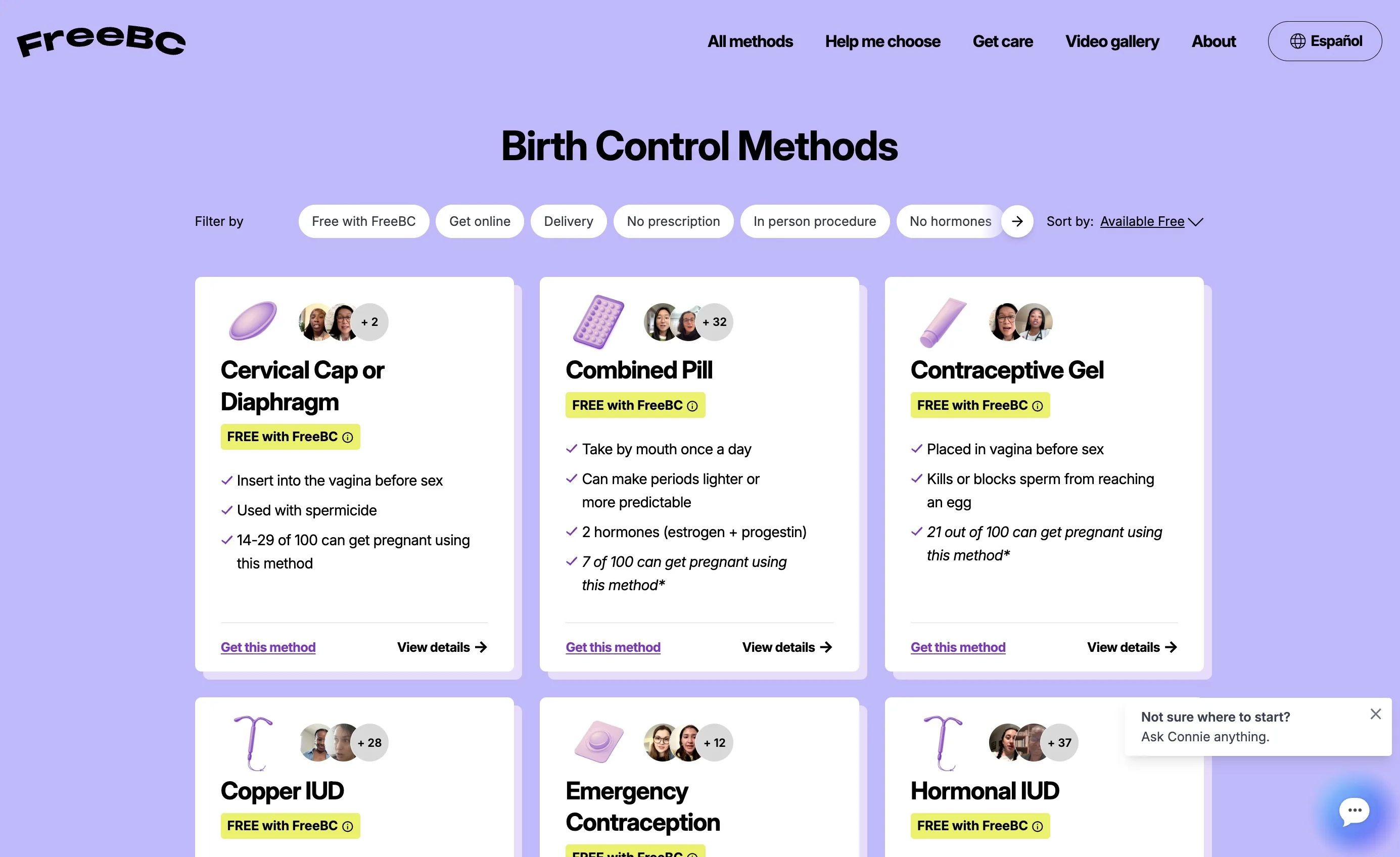
Method comparison library. Explore common birth control options, pros and cons, and next steps.

Personalized recommendation quiz. A short quiz matches users to methods based on their priorities and preferences.
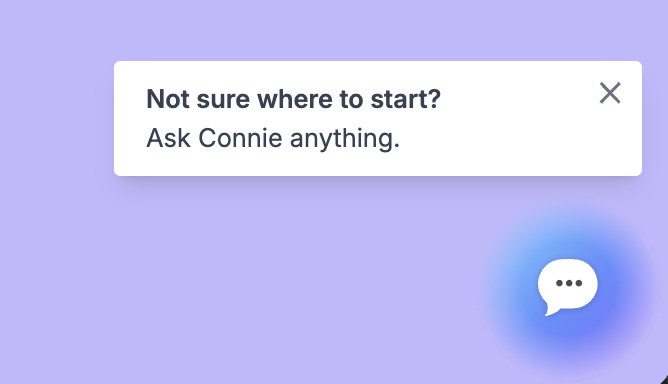
Connie AI assistant. Private questions, answered from clinician-reviewed contraceptive care resources.
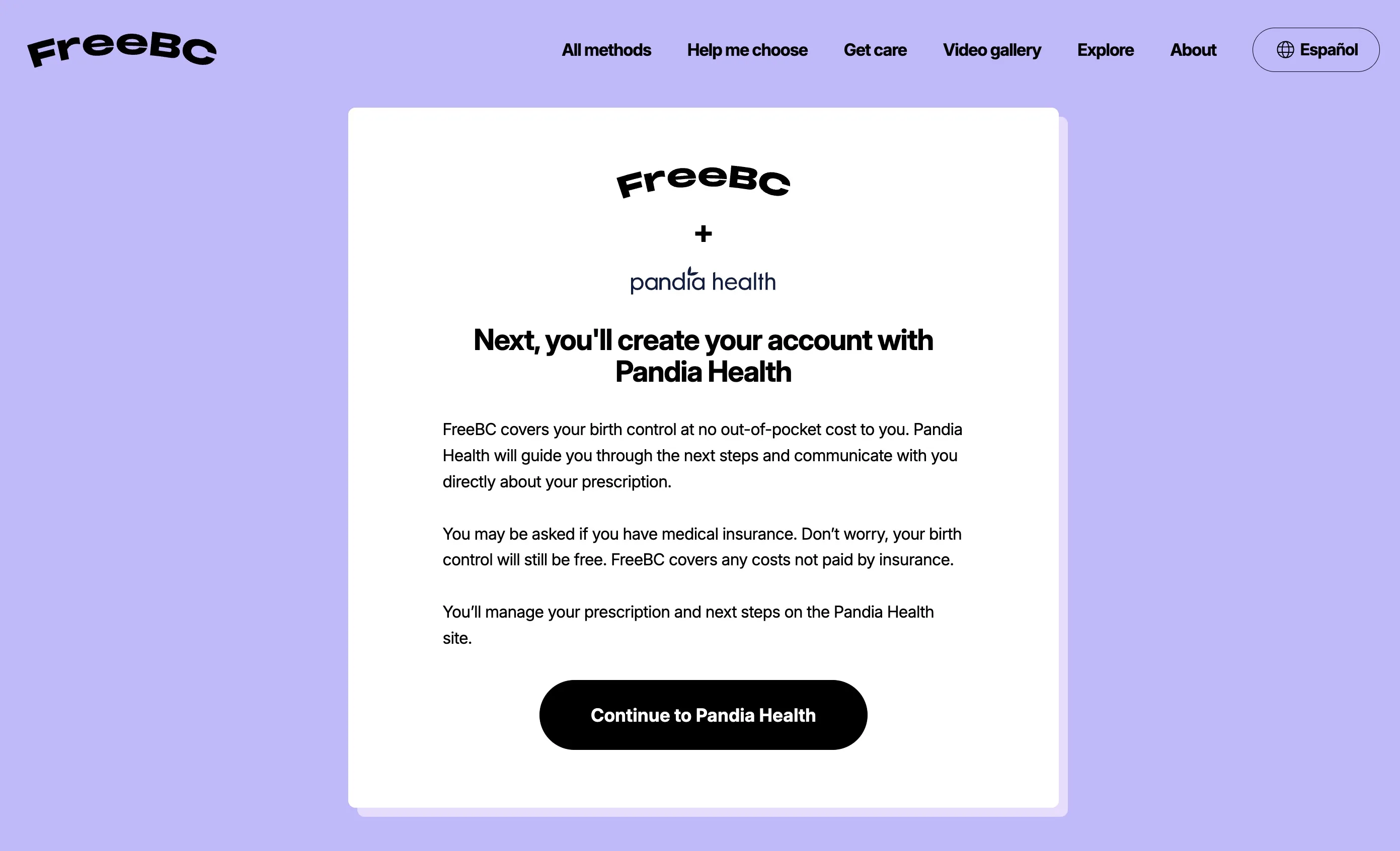
Telehealth and in-person fulfillment pathways. Options to fulfill care for methods that can be sent to your door, and for those that require an in-person visit.
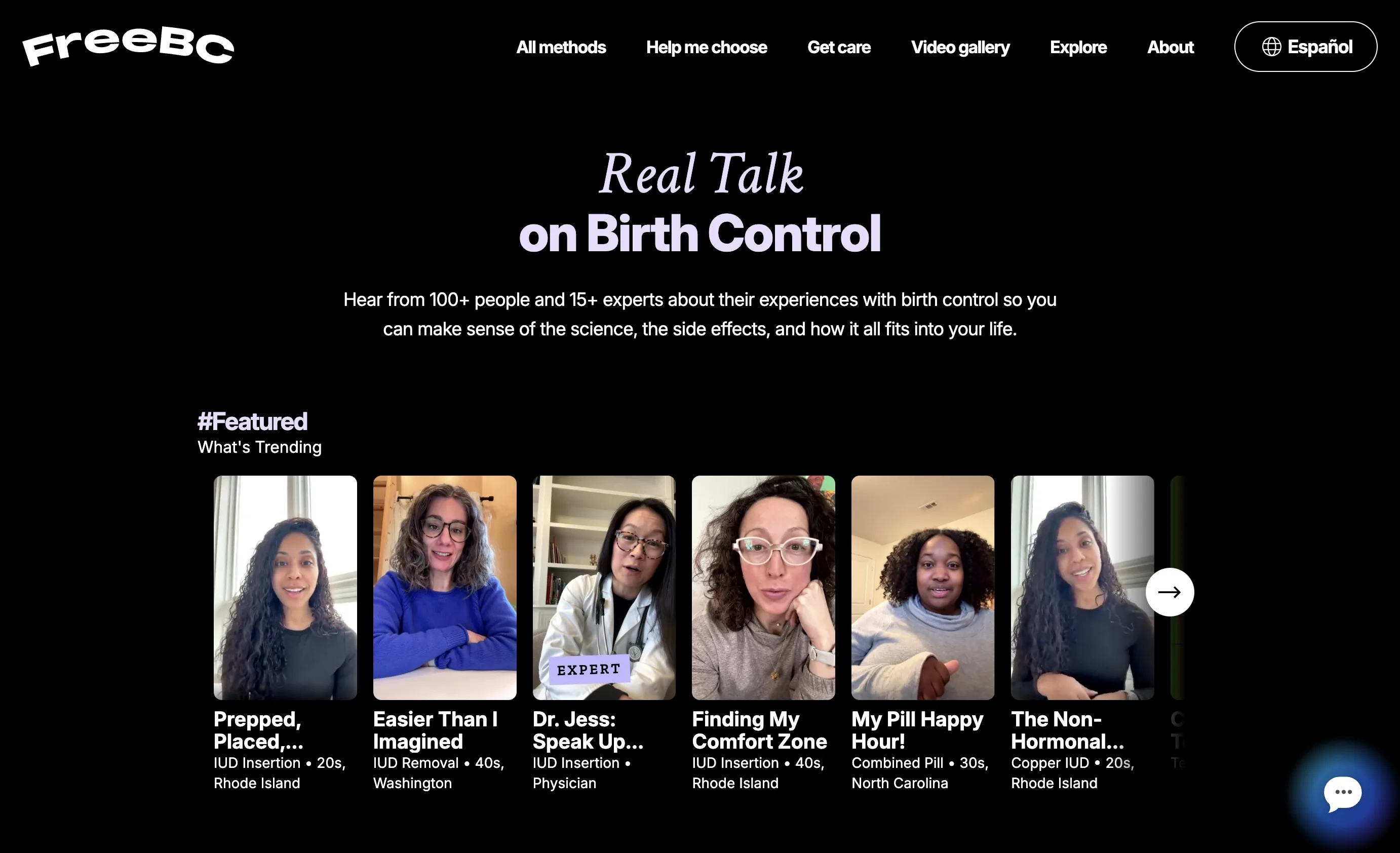
Video gallery. Scrollable testimonial videos from real users and birth control experts.
"I have never worked with a dev team this fast."
Meet Connie: The AI contraceptive care chatbot assistant
An AI assistant that earns trust on sensitive health questions, answering privately, instantly, and grounded in clinician-reviewed materials rather than the open internet.
A Constrained Knowledge Base. Rather than letting the model retrieve from the open web or an unbounded document store, Echobind constrained Connie to a curated knowledge base authored and reviewed by clinicians. Every factual response traces back to material a healthcare professional signed off on. The design trades breadth for trustworthiness, which is exactly the trade you want in health.
Red-Teamed and Human Reviewed. Echobind applied red-teaming techniques and iterative human-in-the-loop review cycles so Connie stays on task, moves conversations toward resources Upstream can provide, and holds firm boundaries against supplying clinical directives. Several JAD sessions put Connie's answers in front of Upstream's clinical team to verify the guardrails held.
The Voice of a Sister, Not a Clinician. Connie's tone was tuned to sound like a friend rather than a provider. That choice does double duty: it makes the assistant approachable for questions people hesitate to ask anyone, and it keeps responses in the register of guidance rather than explicit clinical direction. When accuracy cannot be guaranteed, Connie declines instead of guessing.
FreeBC's impact
In the first 3 months after launch, FreeBC reached 11,400 users. Here's how they interacted with the site.
Care Pathways Entered
Each one a person who now has birth control, who may not have previously had an easy way to get it.
Quiz Conversion Lift
Users who complete the quiz are seven times more likely to complete a care pathway.
Connie Interactions
Each one a private conversation, answered from clinician-reviewed material rather than the open internet.
Under $25K Household Income
Reaching the lower-income users Upstream set out to serve.
Analytics that guide the roadmap
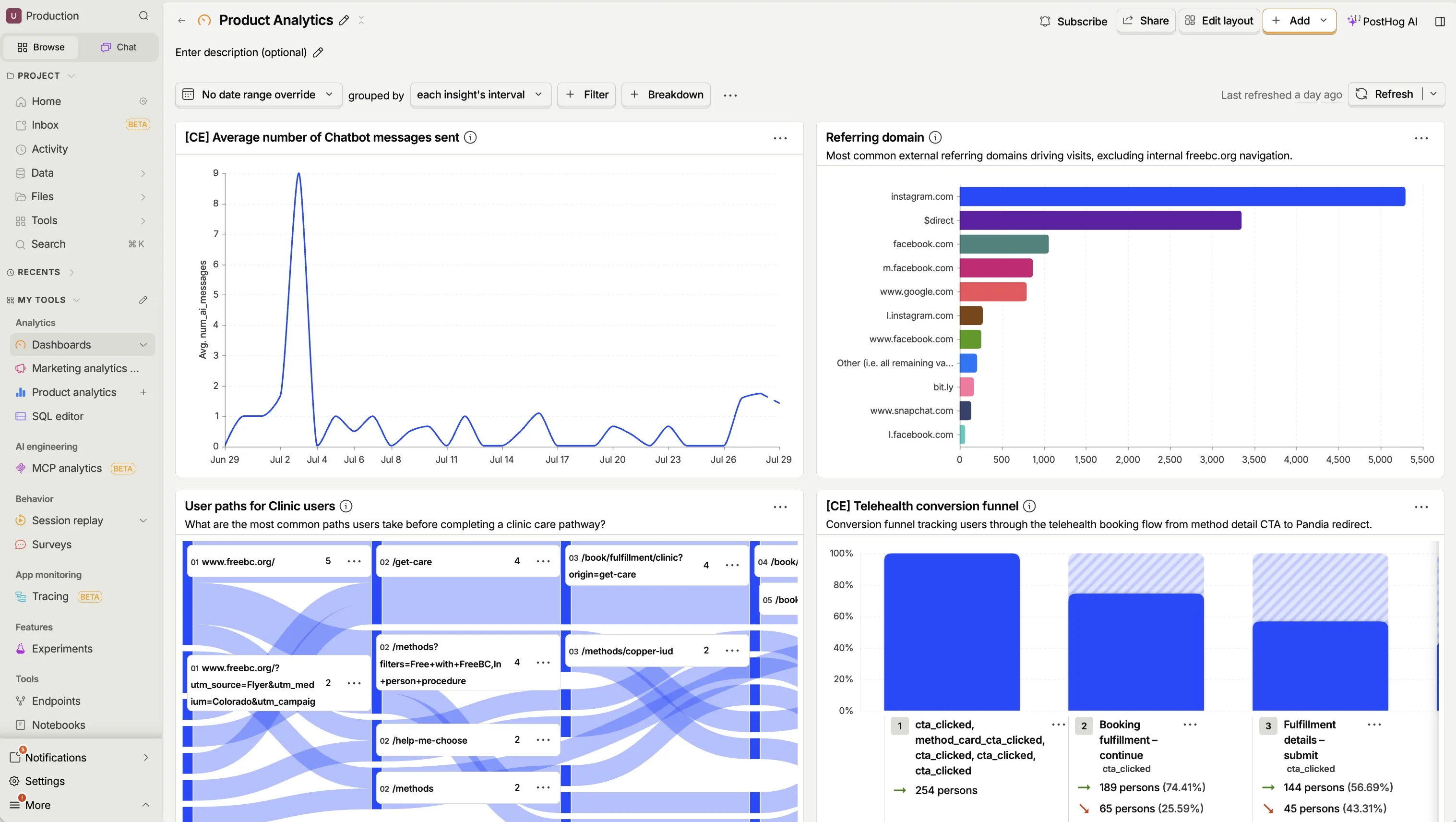
The questions Upstream needed answered. As soon as FreeBC launched, Upstream needed to understand how real users were experiencing the platform: which campaigns drove traffic, where people dropped off in the quiz and care flows, whether users engaged with the AI chatbot, and how lower-income users moved toward telehealth versus clinic-based care.
Instrumenting the care pathways. As Upstream's engineering partner, Echobind built the analytics layer to answer those questions, translating the nonprofit's business goals into a structured architecture of funnels, insights, and dashboards in PostHog. The work centered on the care pathways at the heart of the product, instrumenting each stage so Upstream could see exactly where momentum was lost, and use those answers to guide product iteration.
From autocapture to custom events. Getting there meant working through how to capture user behavior reliably. The team moved from PostHog's out-of-the-box autocapture, to manually tagged interaction IDs, and finally to fully custom events: deliberate, developer-placed tracking calls that hold up as the product evolves and across both English and Spanish users.
Dimensional, not exhaustive. A single event like cta_clicked carries properties such as placement and target URL, which allows endless slicing with far fewer things to break.
What it buys Upstream. An analytics foundation that lets them ask hard questions about their product, learn from the answers, and keep improving access for the users who need it most. Delivering a product is only the beginning; understanding how it's actually used is what makes it better.
Why it matters
FreeBC launched as a Colorado pilot in May 2026, and the early data tells a clear story: the platform is reaching the people who face the steepest barriers to contraceptive care, especially the underserved users Upstream set out to serve.
What began as a single-state pilot is now the foundation for something larger. The results are shaping a multi-state roadmap, with groundwork underway to bring FreeBC to other states.
Beyond the expansion, the pilot demonstrates that a digital-first model can extend contraceptive access without asking people to overcome the very barriers that kept them from care in the first place. For Upstream and Echobind, it's proof that thoughtful engineering can turn a bold vision into measurable impact.
Building a Product That Has to Earn Trust?
Echobind builds strategy, design, and engineering teams for ambitious digital products in healthcare, fintech, and payments. Let's talk about yours.