
Create a new product
Zero to launched in weeks, not quarters.
Strategy, design, and engineering in one senior team from the first day. A patient scheduling platform in eight weeks. A mobile app in both stores in two months. An AI-assisted care platform with 11,400 users in its first quarter.
Tell us what you are building. You will have a budget range within two business days.
The build
One team, start to launch.
The people in the first workshop are the people who ship it. Strategy, design, and engineering aren't separate teams passing the project along, so what gets decided on day one is still true when the code goes out.
Decide what version one is
A workshop with strategists, designers, engineers, and a PM. Half a day or three, depending on the product. You leave with business requirements, user needs, technical constraints, a budget, and a schedule. Then a competitor audit and target-user interviews show where parity ends and the real opportunity starts.
Design it, then test it while changes are cheap
User flows first, then wireframes, then visual design, then a working prototype. Each round goes in front of target users before the next one starts. That is what keeps the expensive changes out of the build.
Build it with the engineers who were in the room
Engineering sits in the workshop and the design reviews, so the build plan exists before the first commit. The product ships doing what you asked, and it is structured to take on the next user type and the next integration without a rewrite.
Launch it, then read the data
Launch is the start of the useful part. Post-launch analytics are in the original budget, so the first month of real behavior turns into the next set of changes instead of a new proposal.
Already have a spec, a deck, or a prototype?
Skip the tour. Send it over and we'll start from there.
Shipped from zero
Three products that did not exist before.
Every number comes from a published case study. Timelines are kickoff to launch.
- 01 · Healthcare platform
8 weeks
kickoff to launch
A clinic platform that books itself.
NOVO is CNY Fertility's patient onboarding and self-service scheduling platform: eight US locations, patients booking, rescheduling, and canceling with no staff in the loop. The legacy EMR had no API, so robotic process automation moves the data in. Ruby on Rails, Stripe, SavvyCal Appointments.
- Client
- CNY Fertility
- What changed
- 87% less admin time per patient, 40 minutes down to 5. Consult waits from over a month to two days. $10K+ saved a month.
- 02 · AI-assisted care
5 months
kickoff to launch
A care platform with 11,400 users in its first quarter.
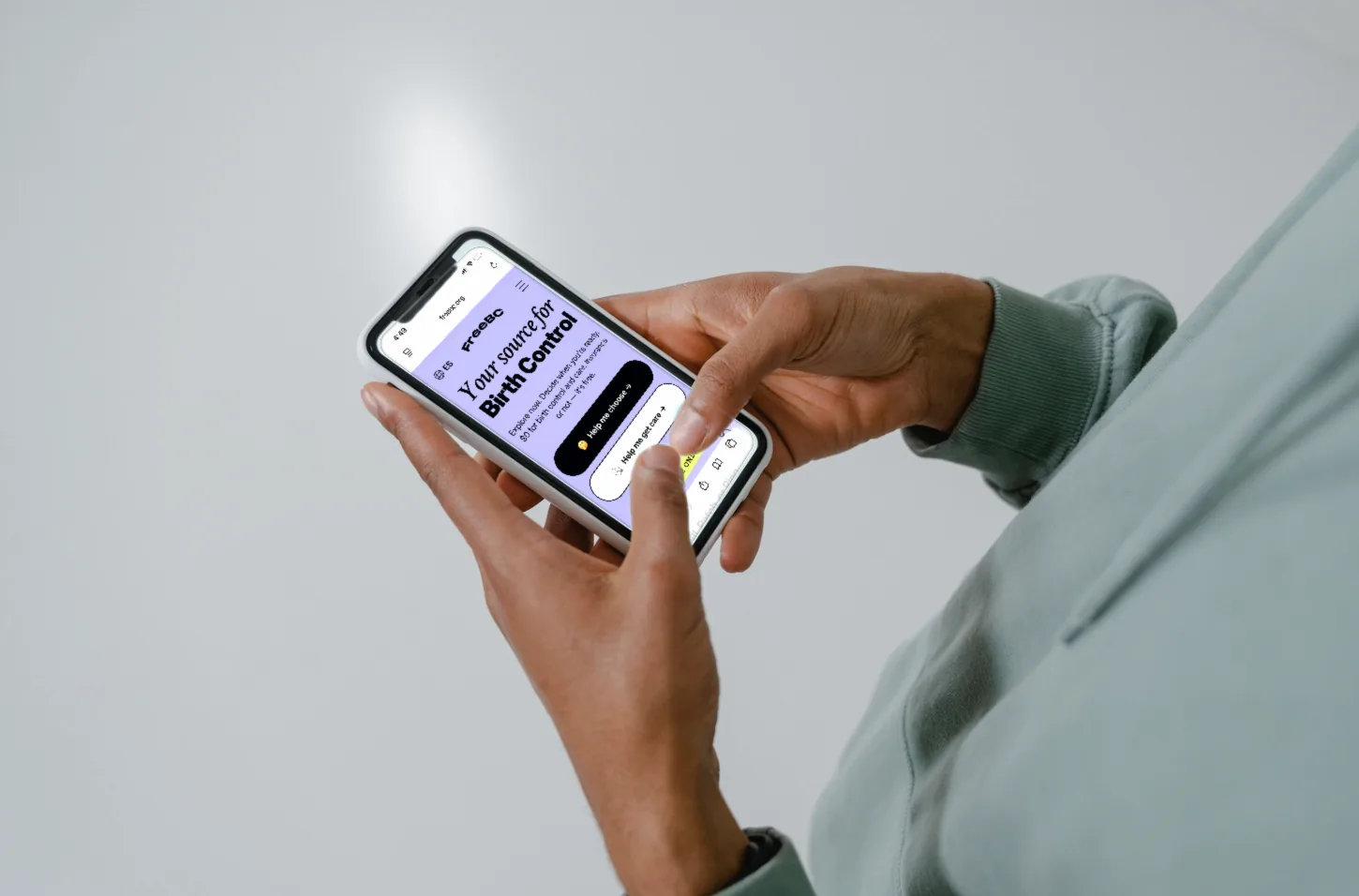
FreeBC is Upstream's digital contraceptive-care platform: a method comparison library, a recommendation quiz, telehealth and in-person care routing, an analytics layer, and Connie, an assistant constrained to a clinician-reviewed knowledge base. Two engineers and a PM took it from kickoff to a live Colorado pilot.
- Client
- Upstream
- What changed
- 11,400 users in the first three months. Quiz completers were seven times more likely to complete a care pathway.
- 03 · Marketplace
Annex
a new market
An e-commerce marketplace for an industry that ran on paper.
O'Neil Software already ran the back office for record storage centers. Annex turned that network into a consumer-facing marketplace: shop for storage, pick a vendor, sign the service agreement, pay, and manage orders and invoices in one account. Next.js, Directus, tRPC, and Stripe, with shared components built once for web and mobile.
- Client
- O'Neil Software
- What changed
- The first consumer marketplace in record storage. Typed end-to-end contracts caught issues early enough that production deploys needed zero rollbacks, and the marketing team publishes content without an engineer.

How we start
Two business days to a number.
Tell us what you want to build. Within one to two business days you get the main technical and design hurdles in the idea, and a rough budget range for clearing them. No discovery call required to get a number.
Then, if we fit
A working session, not a proposal deck
Half a day to three days with the full team. Requirements, users, tech, budget, schedule: decided once, with everyone who will build it in the room.
A plan anchored to your objectives
Prioritized features, flagged technical requirements, a budget and a delivery schedule. If money is tight, we tell you what to cut and still hit the goal.
If the right answer is a smaller version one, or none yet, that is what you will hear.
When it's done
It's yours. All of it.
The repository, the infrastructure, the store listings
Yours, not ours. Nothing about the build depends on keeping us around.
A codebase your own engineers can work in
Annex's marketing team publishes without an engineer. That is the standard.
Knowledge transfer before we leave
And a team that comes back for the audit, the upgrade, or the next version when you want it.
Tell us what you're building.
You will hear back within two business days with the hurdles we see and a budget range.